
You’ve probably heard this comparison before: your brain is like a muscle. And I happen to agree. Because much like your biceps or hamstrings, your brain can grow stronger and faster when you train it. Think of it as putting the mental reps in. (Research also suggests that physical activity itself can improve brain function, btw.)
So when I tutor high schoolers and routinely help them attain their best ACT and SAT scores ever, I’m a little bit like their personal trainer.
Of course, before you take an exam—whether it's the ACT, the SAT, or even that scary Physics midterm—you want to do everything you possibly can, prep-wise, to ensure the best outcome. That includes studying slow and steady (obvi), possibly hiring a tutor to design a customized plan of action for you…
…AND (the subject of today’s post) putting in the mental legwork so that your noggin can actually access what’s stored inside of it during the test, without getting waylaid by self-doubt and test-day nerves.
Today, I’m sharing my top five brain exercises—I refer to them as "mental mastery techniques"—that you can make use of before and during the test. Worry not: they’re simple to implement, and at least one of them is bound to work for you!
ARTICLE CONTENTS
1. Video version of this article
2. Five key mental hacks for the SAT & ACT
A. Power Poses
3. Conclusion
View this post as a video:
The Best Psych Tricks for Standardized Tests
1. Power Poses and Test-Taking
You don’t have to be Bruce Wayne to transform into a superhero….or achieve a superhuman score!
I’m going to ask you to put your skepticism aside for a sec, because this method can seem silly at first. BUT, research supports it. And are extra points worth getting over your giggles? Yup.
If you assume a powerful stance (physically!) right before you sit down to your exam, you may gain the extra mental sharpness you need to vanquish Two-Face—er, I mean, your ACT or SAT.
So what is the superhero pose? Stand with your legs spread apart and your hands on your hips with your elbows outwardly bent. Think Wonder Woman. Stay in this pose for 2 full minutes.
Experts say that this type of open, empowered body language boosts mood and self-esteem. In other words, you’ll enter your test feeling more confident….and, therefore, readier to nail that test to the wall.

2. How to Use Pomodoros for SAT/ACT Prep
Although it’s not a good idea to do SAT/ACT prep for 2-3 hours in a row everyday (you’ll burn out!), it IS actually helpful to practice studying for shorter stretches without the breaks and constant distractions that our smartphones have conditioned us to rely on.
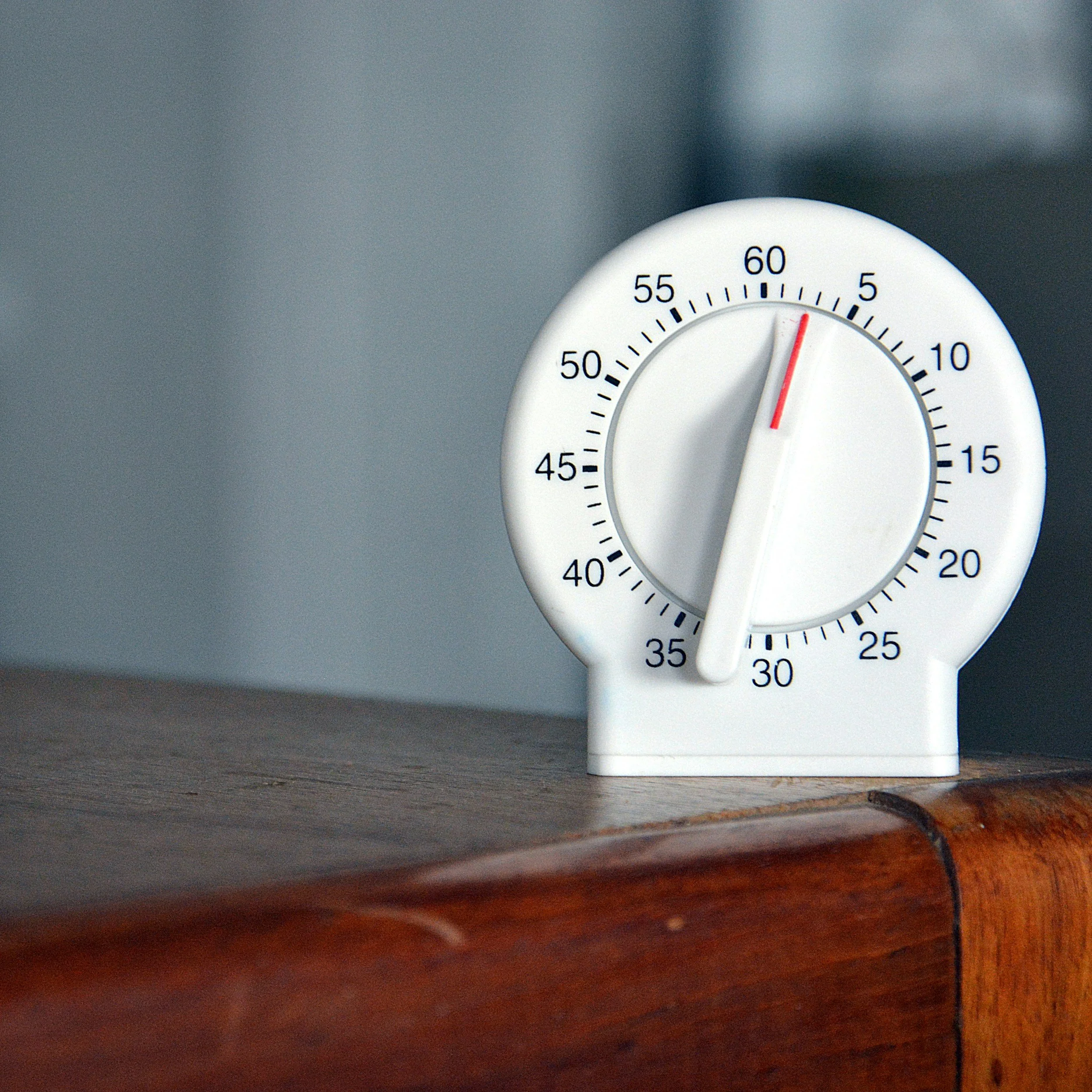
Try this: study intensely for 25 minutes, then take a five-minute break. (Maybe use an egg timer or watch so that your oh-so-tempting phone isn’t nearby!) Then repeat. You can do this for two hours and have a nice four-session study period.
This study structure is known as the Pomodoro technique. It’s a work-reward system. You work hard for a relatively short period, and then you reward yourself with a break where you do something completely different.
That could mean stepping outside to feel the sun on your skin, make yourself a coffee, do 25 jumping jacks—it’s up to you! However, I do not recommend checking your phone and doomscrolling during this time, as that is ultimately going to sap your brain/energy, not restore them).
Here’s why it works: splitting your learning up into more manageable chunks helps the whole task feel less intimidating. It’s easier to say to yourself, “I’m going to study in a focused way for just 25 minutes” than it is to say “I’m going to drag myself through two whole hours of studying. It’ll be dark out by the time I’m done :(”
The other fabulous benefit of this approach: studies show that you actually retain more when you study in sprints instead of marathons! Even though you’ll technically only be studying for an hour and 40 minutes (when you factor in the breaks) and not two hours, those short study sessions will be much MORE effective than two nonstop hours would be. You’ll be more focused during those short sessions and less likely to give in to tempting distractions.
Also, there’s no reason you can’t study longer than two hours with the Pomodoro method. But if you do, be sure to take a longer break after four Pomodoros (a 20-minute pause works well).
3. Is it Better to Sleep or Cram Right Before a Standardized Test?
Sleep is crucial for mental sharpness because it’s when your mind gets to do its nightly cleanup. Your noodle does some of its best work while you’re snoozing because external input is at a minimum and your neurons and lobes can finally start reorganizing and restoring. All the tidying is absolutely essential to your brain’s functioning well the next morning.
That’s why the night before your SAT or ACT sitting is NOT the time to try to force more new info into your brain. You’ll benefit more from getting some really good rest.
Studies have shown that students who slept at least seven hours before taking an exam scored 10% higher than those students who received much less sleep!
Not only does sleep help regulate cortisol (that unpleasant stress hormone, which can work against you when you’re taking the exam). Shuteye also allows your brain to process the information you’ve exposed yourself to during the day (i.e. what you’ve studied) and convert that short-term info to long-term memory.

4. Should You Read Aloud While Studying?
This is another goofy factoid that you should nonetheless use to your advantage. Believe it or not, speaking your study material out loud can actually improve your memory retention! And you’ll score even BETTER if you study aloud to another person.
Researchers suggest that the conversational component of talking to another person helps you remember more of what you’re saying. But, even if you’re studying solo, it’s still more helpful to read your study notes out loud than silently, in your head. The sensorimotor quality of verbal expression makes the brain view a slew of information as meaningful, and therefore worth preserving.
So, while it does take longer to read aloud than to do it silently, remember that you’re actually training your brain to remember….thus gaining time and points over the course of your long prep process.

5. How to Use Visualization for Test-Taking
Maybe you’ve heard about how pro basketball players are instructed to picture themselves successfully making the shot right before they actually take the free throw. And it really works. Likewise, you can use your imagination to materially improve your performance when it comes to studying.
Here’s what this looks like in practice. You’re going to close your eyes and imagine your life after you’ve aced your exam.
You’re grinning and punching the air with joy, sure, but what else are you doing? Perhaps you’re holding your amazing ACT score report, or you're entering those excellent scores in your Common App account, or you’re celebrating with your friends over pizza. Imagine it vividly, with as many details as possible. Hold on to that feeling of happiness, relief, and/or pride.
In the moments before your exam begins, focus on that visualization of you after triumphing over your test. It feels great, sure, but it provides real benefits, too:
Visualization shows your brain what success looks like to you. Once you have a clear focus, your brain will be readier to build a bridge between where you are and where you want to be.
Visualization also inspires you to do whatever’s needed to make your vision a reality, even if it takes work (which test prep certainly does).
And last, but not least, visualization works behind the scenes in your subconscious mind to help you attain your goal—in this case, slaying the test like you were born to do it!
Conclusion
Whichever of these habits you do try out, there’s also one I want you to avoid at all costs: cramming the night before your exam! It’s not going to help. That’s the expert consensus, not just my opinion.
Instead, lean on some or all of this post’s expert-approved mental mastery techniques. And if you were wondering whether I’ve got more tips to share….of course I do! And you get access to all of them during my online course:
For $95, this series of self-directed, bingeable, rewatchable videos will bring you LOADS of tips, strategies, and mindset shifts that will help you dissolve your test anxiety.
If you consider yourself a “bad test taker,” or totally freak out and go blank on a certain section of the SAT, or just KNOW you’re capable of a higher score than you’ve been getting….I designed this course exactly for you.
Furthermore, if you’d like an expert with 15+ years of SAT/ACT experience to evaluate your situation and tell you specifically what you need to do to get YOUR test anxiety under control, I can develop a custom prep and mental mastery plan for you.